.svg)


.webp)


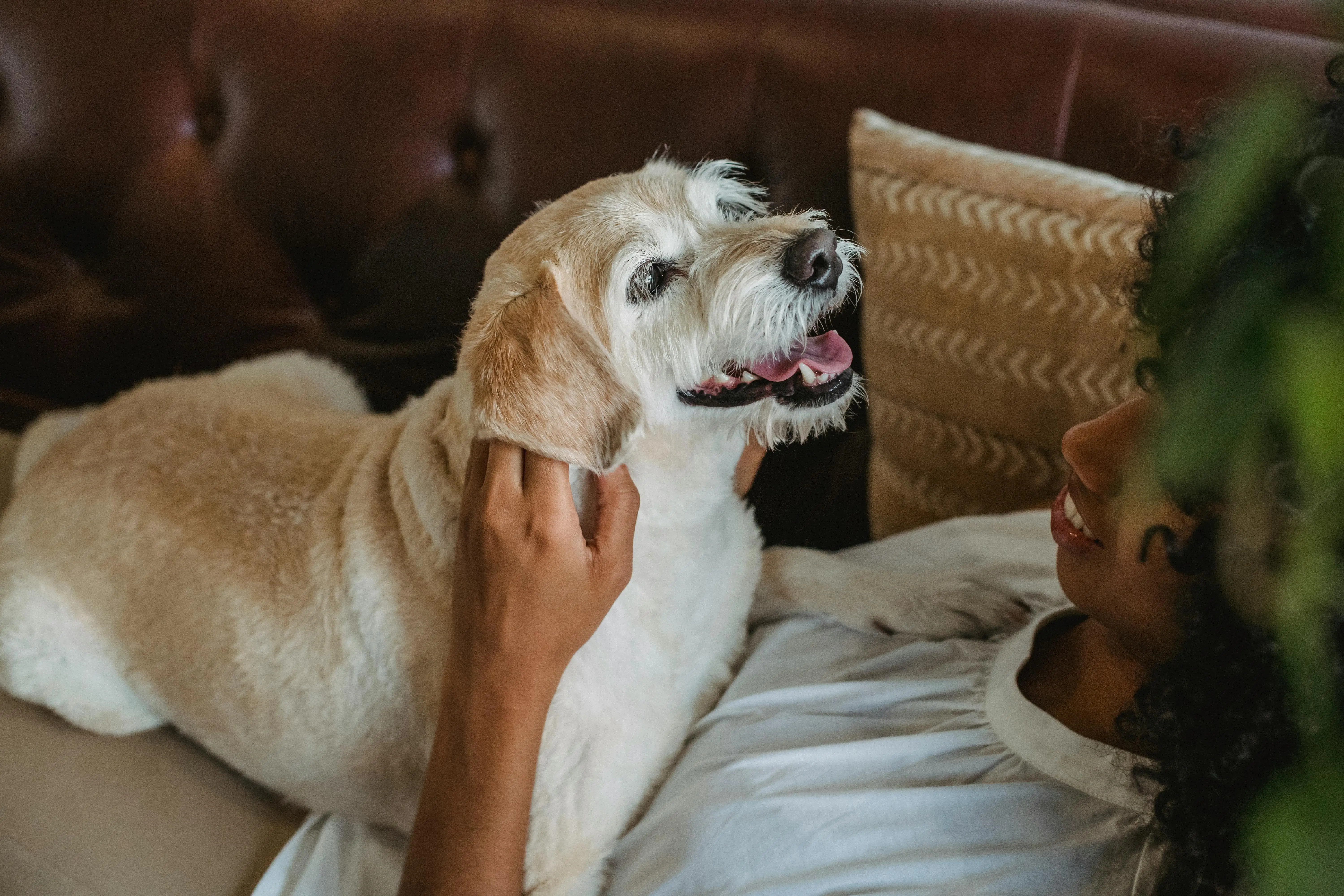
Seventy-eight percent of U.S. pet owners now travel with their animals, according to the American Pet Products Association’s 2025 National Pet Owners Survey. For short-term rental hosts, that statistic translates directly into booking demand: pet-friendly Airbnb listings earn 10–20% more revenue than comparable pet-restricted properties in the same market. In high-demand vacation markets like the Smoky Mountains, Gulf Shores, and the Outer Banks, the premium can climb even higher during peak travel season.
Yet pet damage remains the single most-cited concern among owners considering a pet-friendly policy. Scratched hardwood floors, stained upholstery, chewed trim, and lingering odors are real risks—and the costs are not trivial. The average pet-damage claim on a short-term rental falls between $300 and $1,200, with outlier incidents exceeding $5,000.
The good news: you do not have to choose between revenue and risk. This guide walks you through the exact policies, products, insurance structures, and operational protocols that professional managers—including Awning’s network of 20,000+ properties across all 50 states—use to capture pet-friendly demand while keeping damage costs near zero.
Table of Contents
• The Business Case for Allowing Pets (Despite the Risk)
• Pet Policies That Actually Work
• Pet-Proofing Your Vacation Rental (Room by Room)
• Insurance and Damage Protection for Pet-Friendly STRs
• How Professional Managers Handle Pet Policies at Scale
• Frequently Asked Questions
The Business Case for Allowing Pets (Despite the Risk)
Pet-friendly short-term rentals consistently outperform pet-restricted properties on revenue, occupancy, and guest satisfaction. The data is unambiguous: restricting pets means leaving money on the table.
Revenue premium.
Across Awning’s portfolio, pet-friendly listings generate 10–20% more gross revenue than identical floor plans in the same market that prohibit pets. The premium comes from two sources: a wider booking funnel (you capture the 78% of traveling pet owners competitors turn away) and the ability to charge per-stay or per-pet fees that flow directly to the bottom line.
Occupancy lift.
Pet-friendly listings see 5–12% higher average occupancy rates, particularly during shoulder seasons and midweek stays when overall demand softens. Pet travelers are also less price-sensitive—they are filtering first by pet policy, then by price—which means your nightly rate holds up better under competitive pressure.
Guest loyalty and reviews.
Pet owners are disproportionately loyal. When they find a property that genuinely welcomes their animal—clear policies, a fenced yard, pet bowls on arrival—they return. Repeat bookings among pet guests run 20–30% higher than the portfolio average on Awning-managed properties, and pet-friendly listings earn an average of 0.2 stars higher on post-stay reviews.
Key stat: 78% of U.S. pet owners travel with their pets. Properties that accept them see 10–20% higher revenue and 5–12% higher occupancy than pet-restricted competitors.
The question is not whether to allow pets—the economics make that clear. The question is how to do it without absorbing unacceptable risk. That starts with policy design.
Pet Policies That Actually Work
The most effective pet policies balance guest friction with owner protection—charging enough to cover risk without discouraging bookings. Here is how the three main pricing structures compare, along with enforcement strategies that actually hold up.
Pet Fee vs. Pet Deposit vs. Pet Rent
Most professional managers use a hybrid approach: a non-refundable pet fee of $75–$100 per pet per stay (to cover guaranteed incremental cleaning costs) plus a refundable damage deposit of $250–$500 (to cover actual damage). This structure is transparent, easy to administer, and withstands guest disputes because the fee and deposit serve distinct, documented purposes.
Breed, Size, and Weight Restrictions
Weight limits are the most common restriction—typically 50–75 pounds per dog. However, weight alone is a crude proxy for damage risk. A 90-pound Labrador Retriever may cause less damage than a 25-pound terrier with separation anxiety. More effective approaches combine weight limits with:
• A maximum of two pets per reservation.
• A prohibition on pets being left unattended in the unit (the single largest predictor of damage).
• A breed restriction list limited to breeds with documented liability or insurance concerns in your jurisdiction—not a blanket ban.
• A requirement that all dogs be housebroken and current on vaccinations.
Weigh the pros and cons of a pet-friendly policy carefully. Overly restrictive policies shrink your booking funnel. The goal is to exclude genuinely high-risk scenarios (e.g., five cats in a carpeted condo) while keeping the door open for the vast majority of responsible pet travelers.
Pet Agreement Templates
A written pet agreement is your best legal protection. At minimum, it should cover:
• Number, type, breed, and weight of each pet.
• Confirmation that pets are housebroken and up to date on vaccinations and flea treatment.
• Agreement that pets will not be left unattended in the property.
• Guest’s acknowledgment of the pet fee and deposit amounts, with conditions for deposit forfeiture.
• Guest’s agreement to pay for any damage exceeding the deposit amount.
• Prohibition on pets on beds or upholstered furniture (if applicable).
Embed this agreement into your booking flow so the guest signs before arrival. On Airbnb, you can include it in your house rules and reinforce it in your pre-arrival messaging sequence.
Enforcing Rules Without Deterring Bookings
Tone matters. Frame your pet policy as a welcome, not a warning. Lead with what you provide (dog bowls, a treat basket, a fenced yard, nearby trails) and follow with what you require. Properties that frame pet policies positively see higher conversion rates on listing pages and fewer guest complaints about fees.
Pet-Proofing Your Vacation Rental (Room by Room)
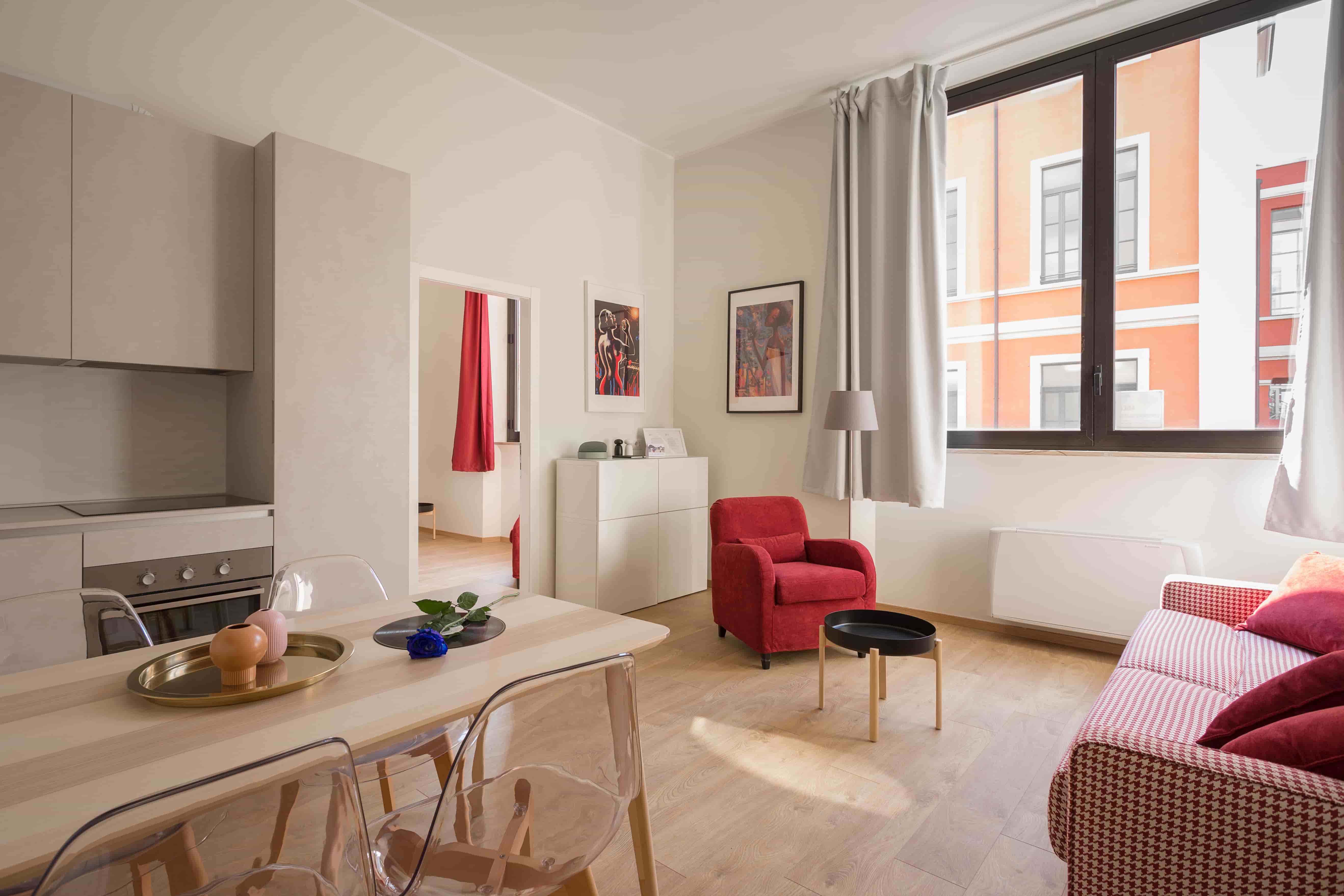
The right materials and layout choices eliminate 80% of pet damage before it happens. Pet-proofing is not about making your property feel institutional—it is about selecting durable materials that still look great. Here is a room-by-room breakdown of the highest-impact upgrades.
Flooring: Scratch-Resistant, Waterproof Options
Flooring takes the brunt of pet wear. Claws, accidents, and tracked-in dirt all concentrate at floor level. The best pet-proof flooring combines scratch resistance, waterproofing, and easy cleaning.
• Luxury vinyl plank (LVP): The gold standard for pet-friendly rentals. Waterproof, scratch-resistant (look for a wear layer of 20 mil or higher), and available in convincing wood-grain finishes. Cost: $3–$7 per square foot installed.
• Porcelain tile: Virtually indestructible. Ideal for entryways, kitchens, and bathrooms. Pair with area rugs for warmth and traction.
• Engineered hardwood with a commercial-grade finish: An option if you want the look of real wood. Choose a species rated 1,300+ on the Janka hardness scale (hickory, maple, white oak) and apply a matte polyurethane finish that hides scratches better than gloss.
Avoid: carpet (absorbs odors and stains), soft pine or bamboo flooring (scratches easily), and unsealed natural stone (stains from pet accidents). For a detailed comparison, see our guide to the best flooring for rental properties.
Furniture: Stain-Resistant Fabrics and Durable Frames
Upholstered furniture is the second most common site of pet damage in vacation rentals. Focus on fabrics and frame construction that can handle real-world use:
• Performance fabrics (Crypton, Sunbrella, Revolution): Engineered to resist stains, odors, and moisture penetration. Machine-washable slipcovers in these fabrics are the single best investment for pet-friendly living rooms.
• Leather and faux leather: Wipes clean easily. Choose top-grain or high-quality faux leather with a semi-aniline finish—these hide minor scratches better than pigmented finishes.
• Metal or hardwood frames: Avoid particleboard or MDF frames, which fail when chewed or exposed to moisture. Solid kiln-dried hardwood frames last the life of the property.
• Washable throw blankets on sofas and beds: A $30 blanket is easier to replace than a $1,200 sofa cushion.
For product-specific recommendations, see our curated list of the best pet products for Airbnb.
Outdoor Spaces: Fencing, Artificial Turf, and Waste Stations
A secure, well-maintained outdoor area is a major selling point for pet travelers—and it keeps dogs out of interior spaces more often, which reduces indoor damage.
• Fencing: A fully fenced yard is the single most-requested amenity among pet travelers. A minimum height of four feet (six feet for properties marketed to large-dog owners) with self-closing gates is the standard.
• Artificial turf: Eliminates muddy paws and dead grass from pet use areas. Choose a turf designed for pets with antimicrobial infill and a perforated backing for drainage. Cost: $8–$14 per square foot installed.
• Pet waste stations: A simple post-mounted bag dispenser and lined trash can near the exit door. Cost: $40–$80. Dramatically reduces the likelihood of un-collected waste on the property.
• Outdoor rinse station: A hose bib with a handheld sprayer near the entry point lets guests rinse sandy or muddy paws before the pet enters the home. Cost: $50–$200 depending on plumbing access.
Cleaning Supplies and Turnover Protocols
Pet-friendly turnovers take 15–25% longer than standard cleans. Build this into your cleaning costs and schedule from day one.
• Enzymatic cleaners: Standard disinfectants do not break down the proteins in pet urine and dander. Stock enzymatic cleaners (Nature’s Miracle, Rocco & Roxie) for spot treatment.
• HEPA-filter vacuums: Essential for removing pet hair and dander from upholstery, rugs, and hard-to-reach corners. Replace filters on the manufacturer’s recommended schedule.
• UV blacklight inspection: A $15 UV flashlight reveals dried pet urine stains invisible to the naked eye. Include a blacklight check in your post-pet-stay turnover protocol.
• Odor neutralizers: Ozone generators or commercial-grade odor eliminators should be available for turnovers following stays with pets. Baking soda on upholstery before vacuuming is effective for light odors.
• Lint rollers and furniture covers: Stock multiple lint rollers in the cleaning kit. Removable, washable furniture covers should be laundered after every pet stay.
Pro tip: Create a separate "pet turnover" checklist that adds these steps to your standard cleaning protocol. Train your cleaning team on it before you accept your first pet booking.
Insurance and Damage Protection for Pet-Friendly STRs
Airbnb’s AirCover program does not fully protect hosts from pet damage, and most standard homeowner’s policies explicitly exclude it. Understanding the gaps is critical before you accept your first pet booking.
Airbnb AirCover: What It Does and Does Not Cover
AirCover for Hosts provides up to $3 million in damage protection, but it was not designed with pet damage in mind. Key limitations include:
• Wear and tear exclusion: AirCover does not cover “normal wear and tear,” and Airbnb often classifies gradual pet damage (scratches, staining, odor) under this category.
• Burden of proof: You must document the damage within 14 days, provide photos, receipts, and a compelling narrative. Claims for pet damage are denied at a higher rate than other categories.
• No coverage for lost revenue: If a pet-damaged unit requires repairs that force you to cancel upcoming bookings, AirCover does not reimburse lost income.
• Slow resolution: The median AirCover claim takes 30–45 days to resolve. For professional hosts, that delay is operationally unacceptable.
Third-Party Damage Waiver Programs
Damage waiver programs (sometimes called “damage protection plans”) charge the guest a non-refundable fee—typically $49–$149 per stay—in exchange for covering accidental damage up to a stated limit ($1,000–$5,000). These programs are popular with professional managers because they:
• Shift the cost to the guest without requiring a traditional security deposit.
• Process claims faster than AirCover (often within 7–10 business days).
• Cover pet damage explicitly when the host’s pet policy is documented and the guest has agreed to terms.
For a full comparison of damage waiver providers, see our guide to guest damage protection insurance for property managers.
Specialized Pet Damage Insurance
A growing number of insurers now offer pet-specific endorsements or standalone policies for short-term rental operators. These policies typically cover:
1. Physical damage to the property (flooring, furniture, fixtures).
2. Deep cleaning costs when standard cleaning is insufficient.
3. Liability if a guest’s pet injures another guest or a neighbor.
Premiums range from $150–$500 per year per property, depending on location, property value, and the number of pet stays per year. When measured against the revenue uplift from accepting pets (typically $2,000–$8,000 per year in additional gross revenue), the ROI is compelling. Explore STR insurance options to find the right coverage for your portfolio.
Bottom line: Do not rely on AirCover alone for pet damage protection. Layer a damage waiver program, a pet-specific insurance endorsement, and a refundable damage deposit for comprehensive coverage.
How Professional Managers Handle Pet Policies at Scale
Professional property managers accept pets on 60–80% of eligible properties because the revenue math is clear—but they systematize every layer of protection. Here is the playbook that Awning’s network uses across 20,000+ properties:
1. Standardized pet policy templates that adapt to local regulations and HOA rules. Every property gets a pet policy scored for its specific risk profile (floor type, outdoor access, proximity to neighbors).
2. Automated pet fee and deposit collection built into the booking workflow. Guests pay the pet fee and deposit at booking, not at check-in, which reduces no-shows and disputes.
3. Dedicated pet turnover checklists assigned to cleaning teams with photographic documentation of pre-arrival and post-departure condition. This documentation is critical for deposit disputes and insurance claims.
4. Centralized damage tracking that logs every incident by property, pet type, season, and guest profile. Over time, this data allows managers to refine policies—for example, increasing the deposit on properties with higher-than-average claims or adding breed restrictions where data supports it.
5. Layered financial protection: non-refundable pet fee + refundable damage deposit + third-party damage waiver + STR insurance with pet endorsement. Each layer covers a different risk category, and the total cost to the guest remains competitive with market norms.
6. Guest communication sequences that set expectations before arrival (what’s provided, what’s expected) and follow up after departure (damage inspection timeline, deposit return process). Clear communication reduces disputes by 40–60%.
The result: pet-related damage claims on professionally managed properties average less than 2% of pet stays, and the average claim cost is under $400—well within the coverage provided by the fee, deposit, and insurance stack.
Frequently Asked Questions
Q: Should I allow pets in my Airbnb?
A: Yes, in most cases. Pet-friendly listings earn 10–20% more revenue and see 5–12% higher occupancy. The key is implementing proper policies, durable materials, and layered financial protection. Properties with carpeted floors, luxury finishes, or HOA restrictions on pets are the main exceptions where a no-pet policy may be warranted.
Q: How much should I charge as a pet fee on Airbnb?
A: The most common structure is a non-refundable pet fee of $75–$100 per pet per stay plus a refundable damage deposit of $250–$500. For longer stays (7+ nights), consider adding a nightly pet rent of $10–$25 per pet. Research comparable pet-friendly listings in your market to stay competitive.
Q: Does Airbnb AirCover cover pet damage?
A: Partially, but not reliably. AirCover excludes “normal wear and tear” and frequently classifies pet-related damage (scratches, stains, odor) under that exclusion. Pet damage claims are denied at a higher rate than other claim types. We recommend layering AirCover with a third-party damage waiver and a pet-specific insurance endorsement for comprehensive protection.
Q: What is the best flooring for a pet-friendly Airbnb?
A: Luxury vinyl plank (LVP) with a 20-mil or higher wear layer is the gold standard. It is waterproof, scratch-resistant, easy to clean, and available in realistic wood-grain finishes. Porcelain tile is another excellent option for high-traffic areas. Avoid carpet, soft pine, and unsealed natural stone.
Q: How do I protect my Airbnb furniture from pet damage?
A: Use performance fabrics (Crypton, Sunbrella, or Revolution) for upholstered furniture, or choose leather/faux leather that wipes clean. Add washable slipcovers and throw blankets as a sacrificial layer. Select solid hardwood frames over particleboard. Machine-washable pet blankets on beds and sofas are the single most cost-effective protection.
Q: How do professional property managers handle pet policies at scale?
A: Professional managers like Awning standardize pet policies across their portfolio, automate fee and deposit collection at booking, use dedicated pet turnover checklists with photographic documentation, and layer financial protection (pet fee + deposit + damage waiver + insurance). This systematic approach keeps pet damage claims below 2% of pet stays across 20,000+ managed properties.
About the Author
Sara Levy-Lambert is a writer and editor on the Awning Editorial Team, covering short-term rental strategy, property management best practices, and vacation rental market trends. Awning.com, powered by RedAwning, provides professional property management and data-driven insights for STR owners and investors across all 50 states.

%201.webp)
%203.webp)
%201.webp)
.webp)