.svg)


.webp)


- NYC Local Law 18 remains the most restrictive STR law in the US — requiring permanent residency, host presence during all stays, and a maximum of 2 guests
- New York State's December 2024 law shifted sales tax collection to platforms (Airbnb, VRBO) effective March 25, 2025, simplifying compliance for hosts statewide
- Best STR investment markets in New York outside NYC: Catskills/Sullivan County, Finger Lakes, and North Fork Long Island — each with distinct permit and residency requirements
- NYC Airbnb/VRBO listings dropped ~70% after Local Law 18 enforcement in 2023; the market remains essentially closed to investment-property operators
- Upstate markets vary widely: some require STR permits (~$100–$400/year), others have minimal regulation — research your specific municipality before listing
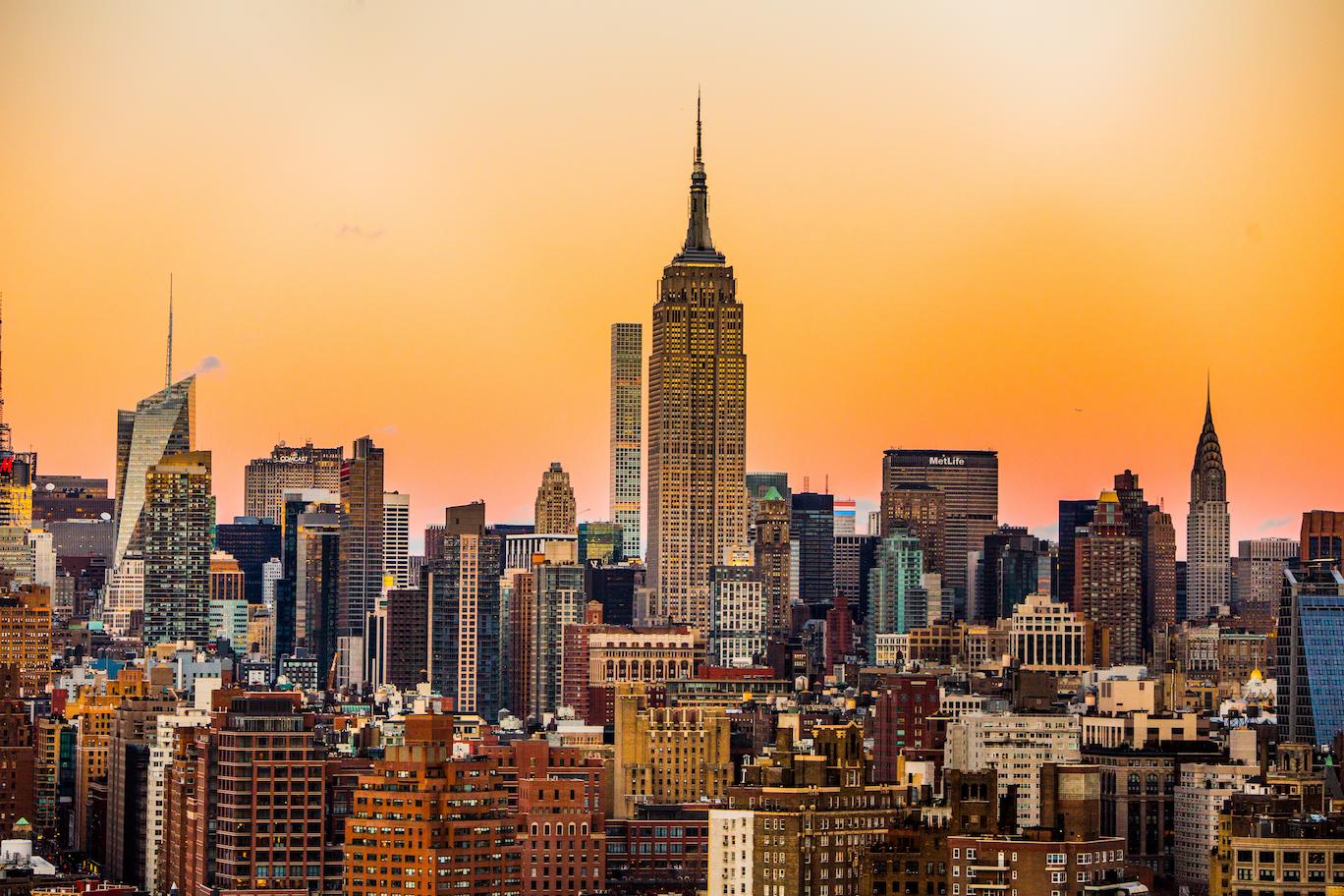
New York's short-term rental landscape in 2026 is defined by extreme contrasts. New York City enforces the nation's strictest STR law, while the state's upstate regions — from the Catskills to the Finger Lakes — offer far more accessible markets for investors and hosts. Add to this the recent shift in sales tax responsibility (now handled by platforms), and the regulatory environment has become more favorable for many property owners outside the five boroughs, even as NYC grows more restrictive.
If you own or manage rental property in New York, understanding the current rules is critical. This guide breaks down the 2026 landscape by region, covers the recent state tax law, and identifies which markets remain open to new listings.
NYC Local Law 18: America's Most Restrictive STR Law
New York City's Local Law 18, fully enforced since September 5, 2023, remains the strictest STR regulation in the United States. For hosts and investors considering the NYC market in 2026, the bottom line is clear: investment properties are essentially off-limits.
Here are the core requirements:
- Permanent Residency: You must be a permanent resident of New York State and occupy the dwelling as your primary residence.
- Host Presence: You must be physically present in the unit during every guest stay.
- Guest Limit: Maximum of 2 guests at a time.
- No Guest Locks: Guest bedrooms cannot have locks on their doors.
- Registration Fee: $145 one-time registration fee with NYC; registration must occur before any listing goes live.
The impact has been dramatic. NYC's Airbnb and VRBO listings plummeted approximately 70% after enforcement began — from over 22,000 active listings to fewer than 3,000. As of 2026, that contraction has held steady, making NYC the hardest market for STR investors in the country.
Pending legislation (NYC Int 0948-2024 and Int 1107-2024) has proposed pathways for STRs in 1–2 family homes under strict primary residency requirements, but these bills remain in committee and have not been passed as of April 2026.
New York State Sales Tax Law: What Changed in March 2025
On December 21, 2024, Governor Hochul signed a new state law that simplified STR tax compliance for hosts across New York — and it took effect on March 25, 2025.
The key change: Airbnb, VRBO, and other platforms are now required to collect and remit the 4% New York State sales tax directly. Previously, individual hosts were responsible for calculating and filing this tax themselves.
What this means for you:
- If you list on Airbnb or VRBO, the platform automatically deducts state sales tax from your earnings — you no longer need to file state sales tax separately for platform bookings.
- You are still responsible for local taxes and any non-platform bookings you manage directly.
- The law also increases platform reporting requirements to the New York Department of Taxation and Finance, improving state oversight.
This change has been welcomed by most upstate hosts, as it reduces administrative burden and eliminates the risk of underpaying or misreporting state tax liabilities.
Hudson Valley & Catskills: The Top Upstate Market for Investors
The Hudson Valley and Catskills have emerged as the most investor-friendly STR markets in New York outside NYC. These regions lack statewide STR licensing; instead, regulation is entirely municipal, creating a patchwork of local requirements.
Key towns in this region:
Woodstock, NY: STR permit required; $250/year. No primary residency requirement for investment properties, making it accessible to out-of-state investors. Popular with NYC weekenders; steady short-term rental demand.
Kingston, NY: STR registration required; $100/year. No primary residency requirement in most zoning districts. Emerging as a more affordable alternative to Woodstock with similar market appeal.
Rhinebeck, NY: STR permit required; availability is limited in residential zones, but possible in mixed-use areas. More restrictive than Woodstock or Kingston.
Sullivan County (Liberty, Livingston Manor, Bethel): Minimal STR regulation in unincorporated areas — some of the least regulated territory in the state. Very popular with NYC weekenders; no licensing required in many parts of the county. Highest upside for investors seeking low regulatory overhead.
Long Island & the Hamptons: Strict Permits, Higher Rents
The Hamptons and Long Island markets are tightly regulated, but accessible. These areas command premium nightly rates and attract wealthy tourists year-round, offsetting stricter permit requirements.
Southampton Town: Requires STR permit ($400/year). Strict occupancy limits: no more than 2 unrelated persons. Popular vacation destination; high nightly rates justify permit cost.
East Hampton Town: STR permit required under a complex tiered system. Both primary and non-primary properties are eligible, but subject to neighborhood density caps. Competitive market; permits are not guaranteed.
Riverhead & North Fork: More permissive than Southampton or East Hampton. STR permits available for investment properties; lighter regulatory hand. North Fork is gaining popularity as a wine-tourism destination.
Nassau County: Generally less restrictive than Suffolk County (where Southampton and East Hampton sit). Easier market entry for new hosts and investors.
Finger Lakes & Western New York: Registration-Based & Investor-Friendly
The Finger Lakes region (including towns around Watkins Glen, Seneca Lake, and Canandaigua) represents one of New York's most welcoming STR markets. Regulations vary by county, but most require only registration — not primary residency.
Key advantages:
- Most Finger Lakes counties require STR registration (simple, low-cost process) but do not require primary residency, opening the market to investment properties.
- Strong summer and wine-tourism demand; consistent bookings in-season.
- Total state + local tax burden typically ranges from 12–16% (4% state sales + local sales tax + county occupancy tax), which is reasonable compared to other premium markets.
- Growing tourism infrastructure and marketing support from county tourism boards.
What About Primary Residency Requirements?
As of 2026, primary residency requirements vary dramatically across New York. NYC mandates it. The Hamptons impose it selectively. The Catskills and Finger Lakes generally do not.
If you are an out-of-state investor or an NYC resident looking to invest in upstate property, focus on Catskills/Sullivan County, Finger Lakes, and North Fork Long Island — these markets welcome investment properties and do not require you to live in the state or occupy the home.
FAQs
Can I operate an Airbnb in New York City in 2026?
Only if you are a permanent New York State resident, occupy the property as your primary residence, and are present during all guest stays. Investment properties are effectively prohibited. You must also register with NYC for a $145 fee before listing.
Do I still have to file state sales tax for my Airbnb bookings?
No — not for bookings through Airbnb or VRBO. As of March 25, 2025, the platform collects and remits the 4% state sales tax directly. You remain responsible for local taxes and any direct bookings you manage outside the platform.
Which New York market is best for out-of-state investors?
The Catskills (particularly Sullivan County towns like Liberty and Livingston Manor) and the Finger Lakes offer the most accessible paths. Both require only simple registration, do not mandate primary residency, and attract steady tourist demand. Sullivan County is the least regulated overall.
How much does an STR permit cost in upstate New York?
It varies widely: Woodstock is $250/year, Kingston is $100/year, Southampton is $400/year, and many Catskills towns have no permit requirement at all. Always check your specific municipality's zoning office before purchasing a property.
What taxes will I owe on STR income in upstate markets?
You will owe: (1) 4% New York State sales tax (collected by platform if using Airbnb/VRBO), (2) local sales tax (varies by municipality, typically 4–4.5%), and (3) county occupancy tax (if applicable, typically 2–4%). Total burden ranges from 12–16% depending on location. Always consult a tax professional for your specific municipality.
Are there pending changes to NYC's Local Law 18?
Bills (Int 0948-2024 and Int 1107-2024) proposing limited STR pathways in 1–2 family homes have been introduced but remain in committee as of April 2026. No changes to Local Law 18 have been enacted.
Ready to Launch or Scale Your STR Portfolio?
Navigating New York's complex patchwork of STR laws is challenging. Our property management experts understand every market—from NYC's restrictions to the Catskills' opportunities. Let Awning help you maximize your rental income while staying compliant with local regulations.
Explore Property Management
%201.webp)
%203.webp)
%201.webp)
.webp)


.webp)