.svg)


.webp)


Ask any vacation rental owner about their biggest surprise expense and the answer is rarely the mortgage. Utilities are the #2 hidden cost in short-term rental ownership, trailing only cleaning fees. Between air conditioning that runs 24/7 for back-to-back summer guests, hot tubs that never cool down, and WiFi that must stay bulletproof, airbnb utility costs can quietly erode 5–12% of your gross revenue before you even notice.
At Awning, we manage 20,000+ vacation rental properties across all 50 U.S. states, giving us a dataset that most individual hosts never see. We track utility spend by property type, region, season, and amenity mix—and the patterns are striking. A four-bedroom beach house in Florida can spend $650/month on electricity alone during peak season, while an identical-sized mountain cabin in Colorado may see $400/month in heating costs during ski season. The difference is not just climate; it is how you manage it.
This guide breaks down exactly what you should budget for airbnb energy costs, identifies the five biggest utility cost drivers, reveals the smart tech that can cut your bills by 20–35%, and helps you decide whether to bundle utilities into your nightly rate or charge them separately. Every recommendation is backed by real data from properties we manage daily. For a broader look at ownership expenses, see our guide on the hidden costs of STR investing.
TABLE OF CONTENTS
1. What Are the Average Utility Costs for an Airbnb?
2. The 5 Biggest Utility Cost Drivers in Vacation Rentals
3. Smart Tech That Cuts Airbnb Utility Bills by 20–35%
4. Should You Include Utilities in Your Nightly Rate or Charge Separately?
5. How Professional Managers Optimize Utility Costs
6. Frequently Asked Questions
7. Related Resources
The average Airbnb utility cost ranges from $150 to $700 per month, depending on property size, amenities, location, and occupancy rate. For most hosts, utilities represent 5–12% of gross rental revenue—a significant line item that is too often estimated rather than tracked.
Airbnb utility costs encompass electricity, gas, water, sewer, trash, internet, and streaming services. Unlike a primary residence, vacation rentals experience extreme usage spikes: a property might sit empty for three days, then host eight guests who run every appliance simultaneously for a week.
Average Monthly Utility Costs by Property Type
Regional Cost Differences
Geography has a dramatic impact on your vacation rental electricity bill. In our portfolio data:
• Florida and Gulf Coast: $320–$650/month. AC is the dominant cost, running 18+ hours daily from May through October. Average electricity rate: $0.14/kWh.
• Colorado and Mountain West: $250–$500/month. Heating (gas or electric) drives winter costs. Propane-dependent cabins can spike to $800+ in January.
• Southern California: $200–$400/month. Moderate climate reduces HVAC load, but electricity rates ($0.25+/kWh) offset the savings.
• Northeast (New England): $280–$550/month. Heating oil and older, less-efficient housing stock push winter costs higher than national averages.
• Pacific Northwest: $180–$350/month. Mild summers and low electricity rates ($0.10–$0.12/kWh) make this one of the most affordable regions for utilities.
Benchmark:
Track your utility costs as a percentage of gross revenue each month. If you consistently exceed 12%, you have a cost problem worth solving. Properties under 7% are performing efficiently. Use Awning’s free Airbnb calculator to model utility costs against projected revenue for any market.
Want to see how utilities fit into the bigger picture? Our Airbnb profit margin benchmarks break down every expense category so you can see where your property stands.
HVAC, hot tubs/pools, water usage, WiFi, and in-unit laundry are the five largest utility cost categories for vacation rentals, accounting for roughly 85% of total utility spend in a typical property. Understanding each driver is the first step to controlling costs.
1. HVAC / Climate Control
Heating and cooling is the single largest utility expense for vacation rentals, representing 40–55% of total utility costs in most properties. HVAC cost in a vacation rental is the energy expense associated with heating, ventilation, and air conditioning systems that maintain comfortable temperatures for guests.
The problem is guest behavior. Unlike long-term tenants, vacation rental guests routinely leave windows open with the AC running, set thermostats to 62°F in summer, and turn heat to maximum with doors open. A single week of unchecked guest behavior can add $50–$100 to your electricity bill. Properties in Phoenix, Miami, and Orlando see the highest HVAC costs, often exceeding $300/month for electricity alone during peak season.
Pro Tip:
Set your thermostat to a reasonable range (68–76°F) and use a smart thermostat with remote lockout to prevent extreme settings. See our guide to the best Airbnb thermostats for specific product recommendations.
2. Hot Tubs and Pools
A hot tub adds $75–$150 per month to your utility bill; a heated pool adds $100–$300+ per month, depending on climate, insulation, and heating method. These amenities are powerful revenue drivers—properties with hot tubs earn 15–25% higher nightly rates—but they carry significant ongoing energy costs.
• Electric hot tubs: $75–$150/month (higher in cold climates where the temperature delta is greater)
• Gas-heated pools: $100–$200/month during swim season
• Electric heat-pump pools: $60–$150/month (more efficient than gas in moderate climates)
• Solar-heated pools: $10–$30/month (pump only; negligible heating cost)
Always use a quality cover when the hot tub or pool is not in use. A cover alone can cut heating costs by 50–70%.
3. Water and Sewer
Water and sewer costs for vacation rentals typically run $60–$200 per month, with properties that have pools, hot tubs, or irrigation systems at the higher end. Vacation rentals use 2–3x more water per occupant than a primary residence because guests take longer showers, run more laundry loads, and are less conscious of conservation.
Leak detection is critical. A single running toilet can waste 200+ gallons per day and add $100+ to a monthly water bill. Smart water monitors (like Flume or Phyn) pay for themselves within months by catching leaks early.
4. WiFi and Streaming Services
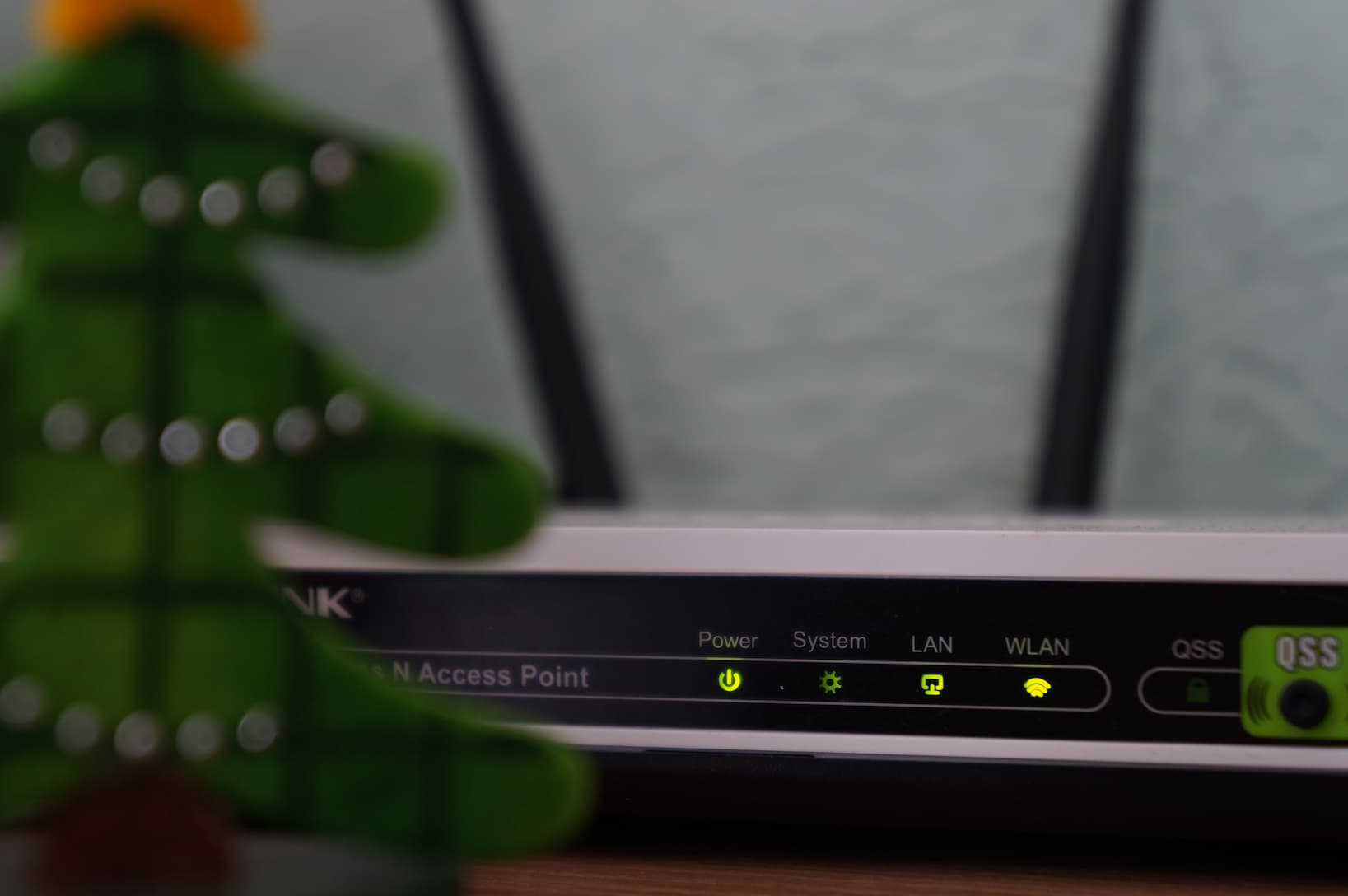
WiFi and streaming subscriptions cost $80–$180 per month for a properly equipped vacation rental. High-speed internet is no longer a nice-to-have—it is a booking requirement. Guests expect 100+ Mbps speeds, especially remote workers who now make up a significant segment of midweek bookings.
• Business-grade internet (100–500 Mbps): $60–$120/month
• Streaming subscriptions (Netflix, Hulu, Disney+): $20–$45/month
• Mesh WiFi system or enterprise router: $0/month (one-time hardware cost)
Invest in a reliable router that can handle 15+ simultaneous devices without dropping. Our roundup of the best Airbnb WiFi routers covers the top options tested in real rental properties.
5. Laundry (In-Unit)
In-unit laundry adds $30–$80 per month in water, electricity, and gas costs for a vacation rental, depending on turnover frequency and machine efficiency. An in-unit washer/dryer is an amenity that guests increasingly expect, but it also means every turnover cleaning includes at least 2–4 laundry loads for linens, towels, and bedding.
• Standard top-loader: uses ~40 gallons per load; costs ~$0.50–$0.75 per cycle (water + energy)
• High-efficiency front-loader: uses ~15 gallons per load; costs ~$0.25–$0.40 per cycle
• Gas dryer vs. electric dryer: gas dryers cost ~30% less per cycle to operate
Switching to a high-efficiency washer can save $200–$400 annually. For a deep dive into optimizing this amenity, see our guide on Airbnb laundry optimization.
Smart home technology can reduce vacation rental utility costs by 20–35%, based on data from properties in our portfolio that adopted smart thermostats, water monitors, and energy-efficient appliances. The ROI on these upgrades is typically 6–18 months.
Smart Thermostats with Occupancy Detection
A smart thermostat is a WiFi-connected temperature control device that automatically adjusts heating and cooling based on occupancy, schedules, and remote settings. For vacation rentals, smart thermostats are the single highest-ROI utility investment you can make.
Top picks: The Ecobee Smart Thermostat Premium and Google Nest Learning Thermostat are the two most popular choices in our managed portfolio. Both offer remote lockout, occupancy sensing, and integration with major property management systems. Read our full best Airbnb thermostats guide for detailed comparisons.
Smart Water Monitors
Smart water monitors detect leaks, track usage in real time, and can automatically shut off water to prevent catastrophic damage. A single undetected leak can cost $5,000–$20,000 in water damage repairs—far more than the $200–$500 cost of a smart monitor.
• Flume 2: Clamps onto your existing meter; no plumbing changes. Detects leaks as small as 0.01 GPM.
• Phyn Plus: In-line installation with automatic shut-off valve. Best for high-value properties.
• Moen Flo: Whole-home monitoring with freeze detection—critical for mountain and Northeast rentals.
Energy-Efficient Appliance Upgrades
Upgrading to ENERGY STAR-rated appliances can reduce per-appliance energy consumption by 10–50%, with the biggest gains in refrigerators (30% savings), dishwashers (25%), and washing machines (40%). Prioritize replacements for:
• Refrigerator: Runs 24/7; an ENERGY STAR model saves $50–$80/year vs. a 10-year-old unit
• HVAC system: A heat pump upgrade can cut heating/cooling costs by 30–50% compared to traditional furnace + AC
• Water heater: A heat-pump water heater uses 60% less energy than a standard electric tank
LED Lighting and Smart Switches
LED lighting uses 75% less energy than incandescent bulbs and lasts 25x longer. In a vacation rental with 30+ light fixtures, switching entirely to LEDs saves $100–$200 per year. Smart switches add the ability to:
• Turn off all lights remotely after checkout (guests frequently leave every light on)
• Set schedules for exterior lighting to enhance security without wasting energy
• Monitor which rooms consume the most lighting energy
Investment Summary:
Smart thermostat: $150–$300 (ROI in 3–6 months). Water monitor: $200–$500 (ROI in 1–3 months if it catches one leak). LED conversion: $100–$300 (ROI in 6–12 months). Total smart tech package: $450–$1,100 with full payback typically within the first year.
Most Airbnb hosts should include utilities in their nightly rate unless the property has an unusually high-cost amenity (heated pool, hot tub) or caters to long-term stays (28+ nights). Bundling simplifies the guest experience and avoids friction at booking. However, separate utility charges are becoming more common—and more accepted by guests—in specific scenarios.
Bundled vs. Separate Utility Charges: Comparison
How to Set a Fair Utility Surcharge
If you decide to charge separately, transparency is key. Here is a formula that works:
1. Calculate your average monthly utility cost over the past 12 months.
2. Divide by average occupied nights per month to get a per-night cost.
3. Add a 15–20% buffer for seasonal variation and rate increases.
4. Round to the nearest $5 for simplicity (e.g., $25/night or $35/night).
Example: $450/month average utilities ÷ 20 occupied nights = $22.50/night. With a 20% buffer: ~$27/night, rounded to $25–$30/night.
Guest Perception Considerations
Guest surveys consistently show that separate utility fees are acceptable when:
• The fee is disclosed upfront in the listing (never as a post-booking surprise)
• The property has expensive amenities (heated pool, hot tub, or EV charger)
• The stay is 7+ nights (longer stays accumulate more utility use)
• The fee is reasonable relative to the nightly rate (under 10% is the sweet spot)
For a comprehensive breakdown of all operating expenses, including utilities, visit our guide on strategies to reduce operating costs for your vacation rental.
Professional vacation rental managers reduce utility costs by 15–25% compared to self-managing hosts, primarily through smart tech deployment at scale, vendor negotiation, preventive maintenance, and data-driven monitoring. At Awning, utility optimization is built into our management process for every property.
Awning’s Approach to Energy Management
Across our portfolio of 20,000+ properties, we implement a four-part utility optimization framework:
5. Baseline audit: Before onboarding, we assess every property’s current utility spend, identify the top three cost drivers, and benchmark against comparable properties in the same market.
6. Smart tech rollout: We recommend and install smart thermostats, water monitors, and smart locks that coordinate with our reservation system. When a guest checks out, the thermostat auto-adjusts to an energy-saving mode within 15 minutes.
7. Preventive maintenance: HVAC filters, water heater flushes, and weatherization checks happen on a scheduled cadence—not when something breaks. Clogged AC filters alone can increase energy consumption by 15%.
8. Monthly cost tracking: Owners receive monthly utility cost reports with year-over-year comparisons, flagging any property that exceeds its expected utility benchmark by more than 10%.
The result: properties in our managed portfolio consistently maintain utility costs between 5–8% of gross revenue, compared to the 8–12% range that self-managing hosts typically report. To learn more about what professional management includes, visit Awning vacation rental property management.
Q: What is the average utility cost for an Airbnb?
A: The average Airbnb utility cost ranges from $150 to $700 per month depending on property size, amenities, and location. A standard 2-bedroom condo without a pool typically costs $200–$350 per month, while a 4-bedroom home with a hot tub can exceed $500 per month. As a benchmark, utilities generally represent 5–12% of a property’s gross rental revenue.
Q: How much does a hot tub add to Airbnb utility costs?
A: A hot tub typically adds $75–$150 per month to your utility bill, with costs on the higher end in cold climates where the temperature differential between ambient air and water temperature is greatest. Using an insulated cover when the hot tub is not in use can reduce heating costs by 50–70%. Despite the expense, hot tubs increase nightly rates by 15–25%, usually offsetting the additional utility cost.
Q: Can I pass utility costs to Airbnb guests?
A: Yes, Airbnb allows hosts to add a custom utility fee to their listing. This is most commonly done for properties with expensive amenities (heated pools, hot tubs) or for stays longer than 7 nights. The key is full disclosure: add the fee upfront in your listing so guests see it before booking. A fee of $20–$35 per night is typical for properties with high utility costs.
Q: Do smart thermostats really save money in vacation rentals?
A: Yes. In our data from 20,000+ managed properties, smart thermostats with occupancy detection and remote lockout reduce HVAC costs by 15–25%. The Ecobee Smart Thermostat Premium and Google Nest Learning Thermostat are the two most effective models for vacation rentals. At $150–$300 per unit, most hosts see full ROI within 3–6 months.
Q: What percentage of Airbnb revenue should go to utilities?
A: Utilities should represent 5–12% of your gross rental revenue. Properties under 7% are performing efficiently. If your utility costs consistently exceed 12% of revenue, investigate your HVAC system efficiency, check for water leaks, and consider smart tech upgrades. Professional managers typically keep utility costs at 5–8% of revenue through proactive optimization.
About the Author
Sara Levy-Lambert is a writer and editor on the Awning Editorial Team, covering short-term rental strategy, property management best practices, and vacation rental market trends. Awning.com, powered by RedAwning, provides professional property management and data-driven insights for STR owners and investors across all 50 states.

%201.webp)
%203.webp)
%201.webp)
.webp)